
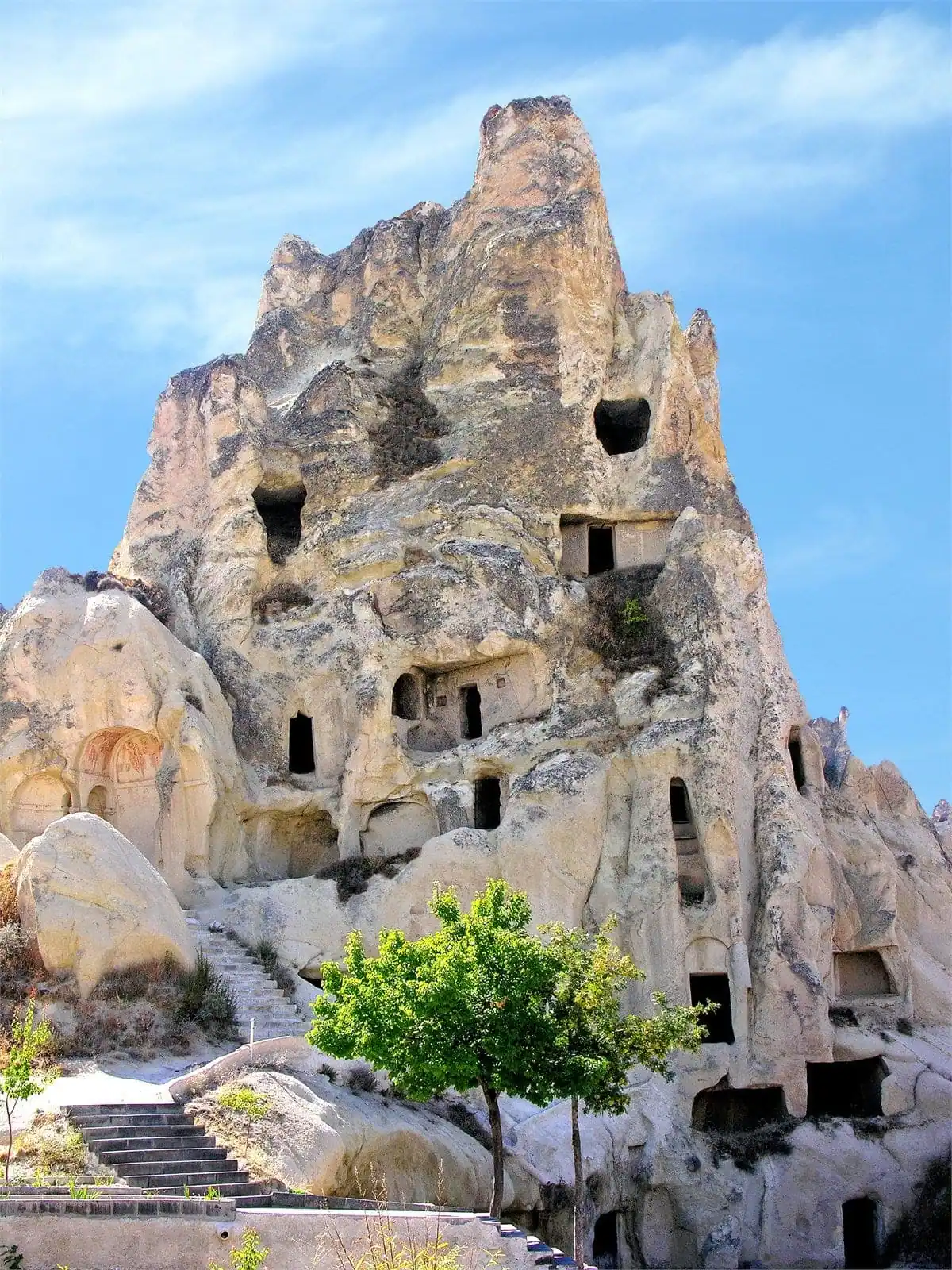
Göreme Open Air Museum
The rock-cut monastic valley at the heart of Cappadocia — which churches matter, when to come, and whether the Dark Church ticket is worth it. (It is.)
The 16 places below are the things to do in Cappadocia that actually earn their place — each with a full guide written by people who walk them weekly.
The Red Tour country: painted churches, castle rocks and the famous cones.
The rock-cut monastic valley at the heart of Cappadocia — which churches matter, when to come, and whether the Dark Church ticket is worth it. (It is.)
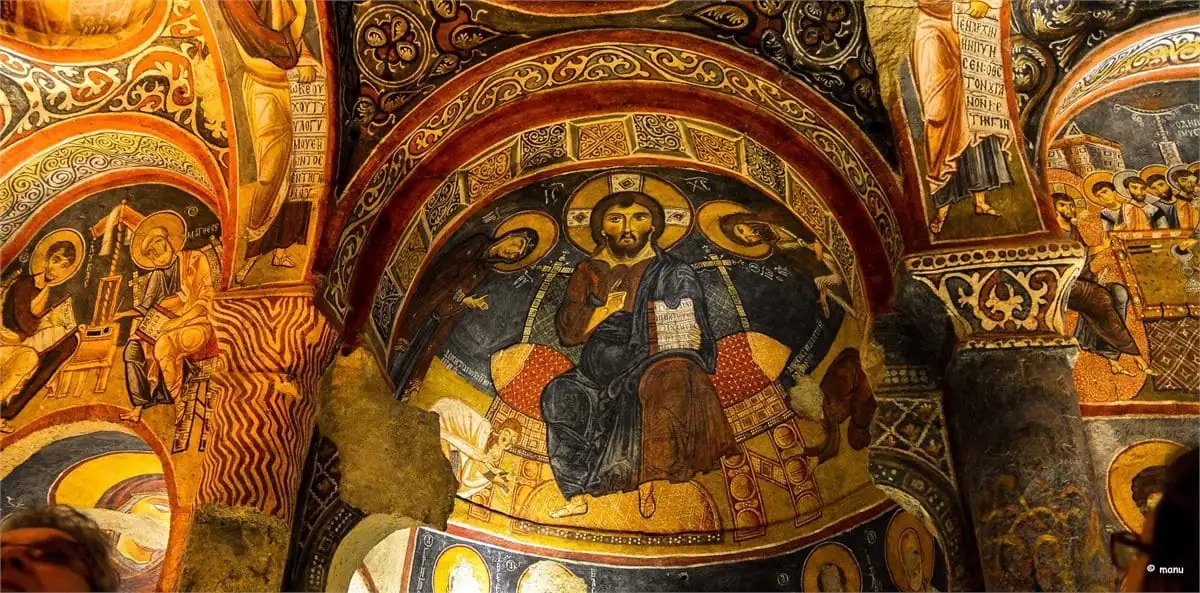
The jewel of Göreme — an 11th-century church whose lack of windows preserved colors the rest of Byzantium lost.
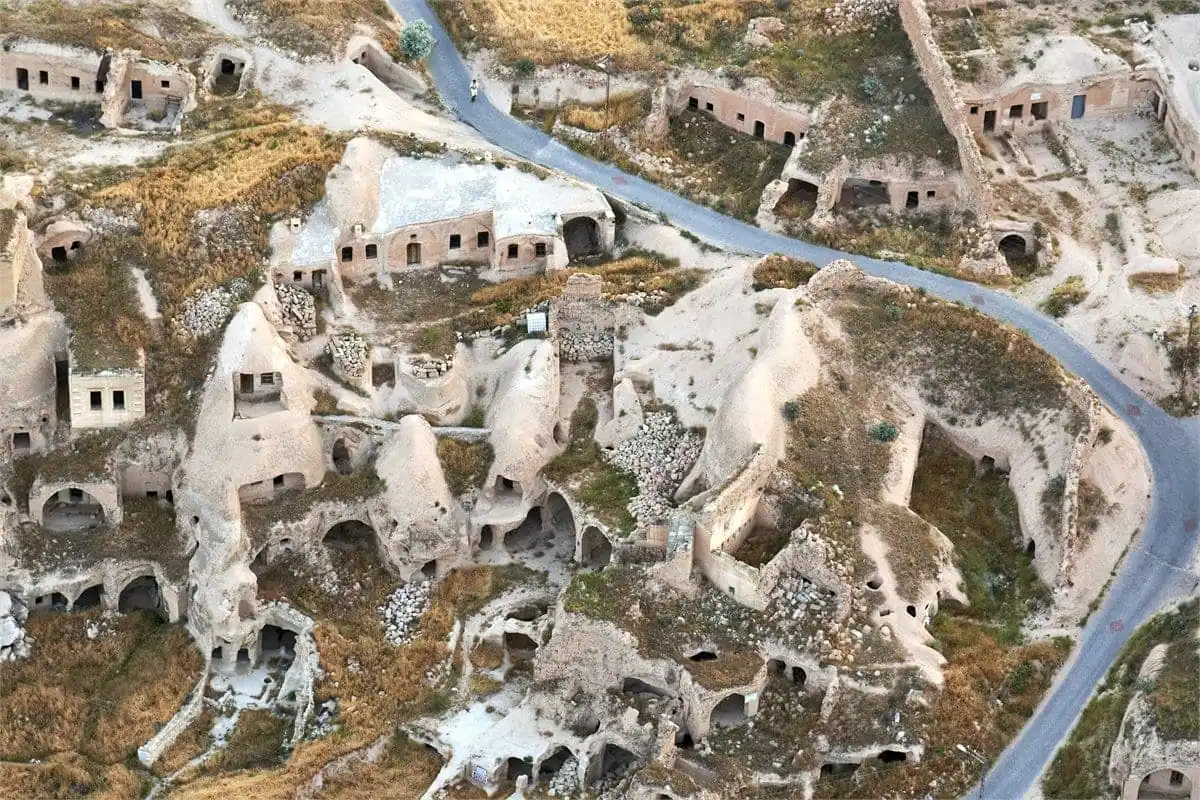
A castle that is simply an enormous hollowed rock — the region’s highest point, its best panorama, and its most underrated village.
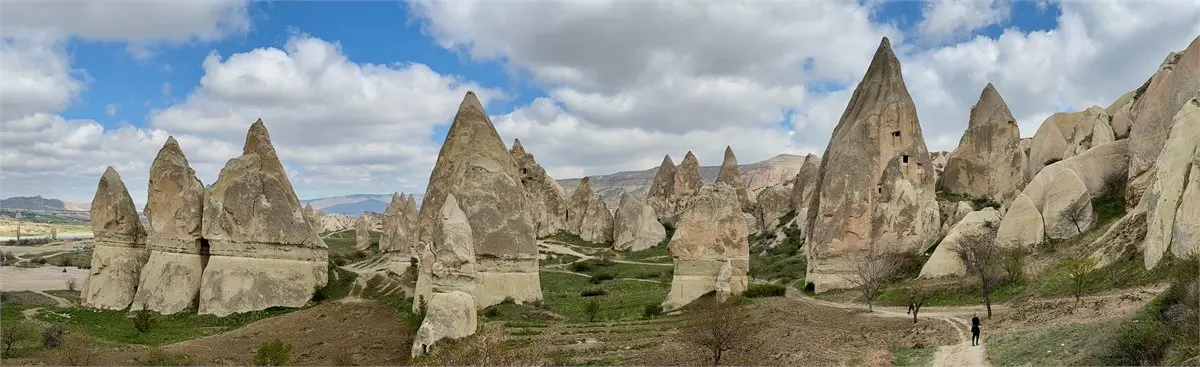
The valley of the multi-capped chimneys and the hermit cells — Cappadocia’s most photographed rocks after a certain camel.
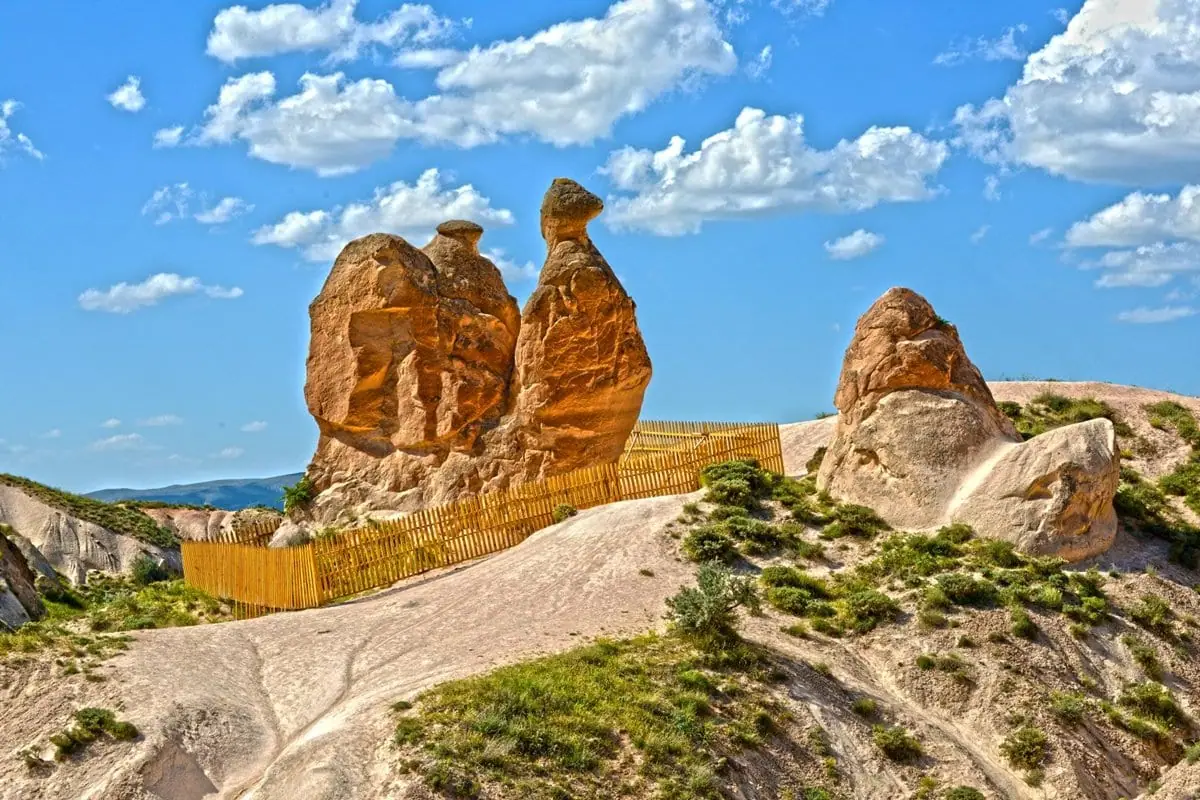
Home of the camel: a short, funny, weirdly moving stop where erosion does the sculpting and your imagination does the labeling.
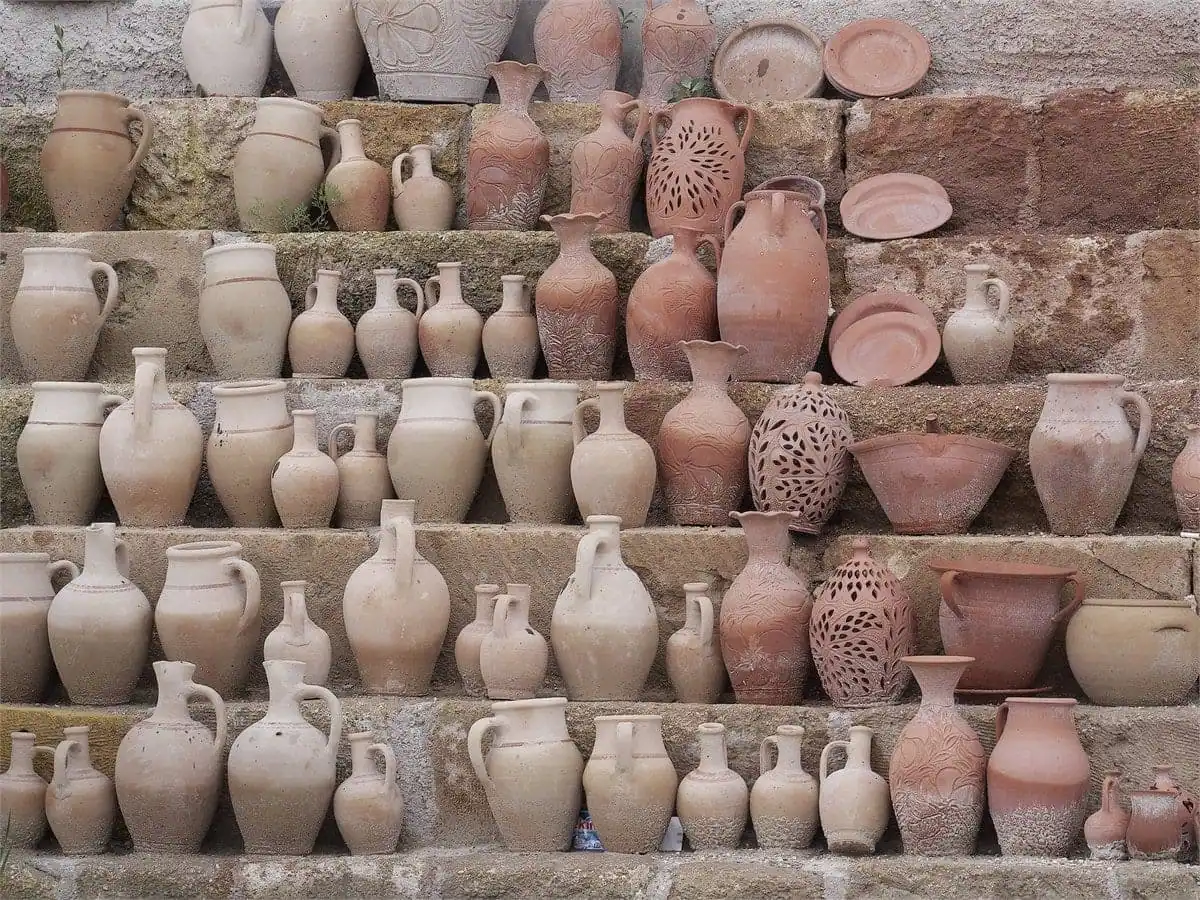
The pottery town on the Kızılırmak — foot-powered wheels, Hittite wine jugs, and your own inevitable, lopsided bowl.
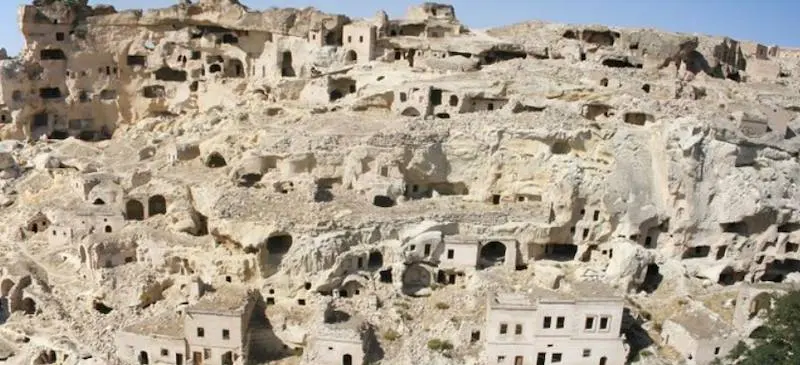
The ghost-cliff between Göreme and Avanos — abandoned cave houses, the basilica of St John the Baptist, and blissfully few people.
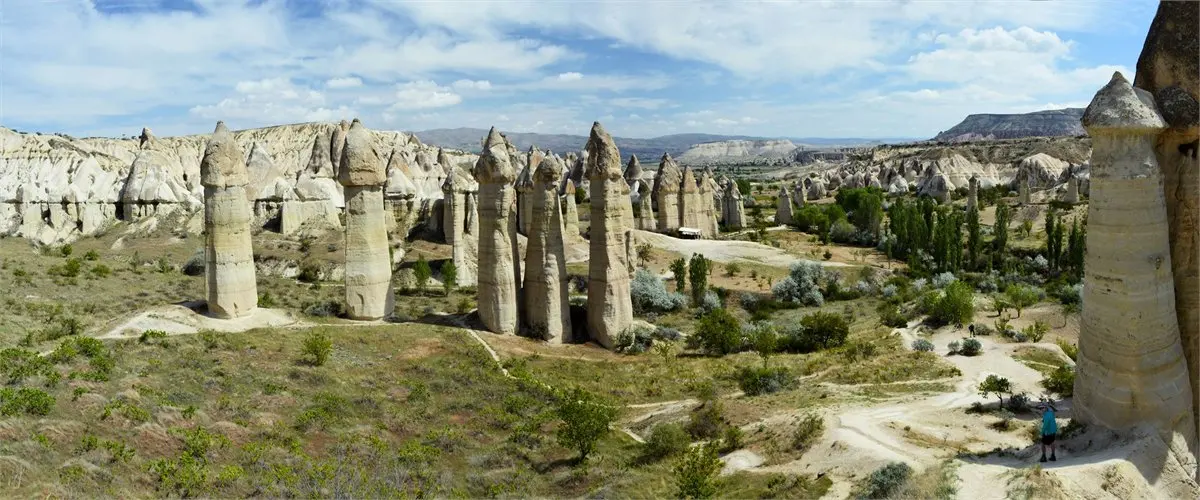
Forty-meter chimneys, vineyard floor, golden-hour glory — the valley every balloon pilot hopes to drift over.
The Green Tour country: the deep cities, the Ihlara valley and the rock cathedral.
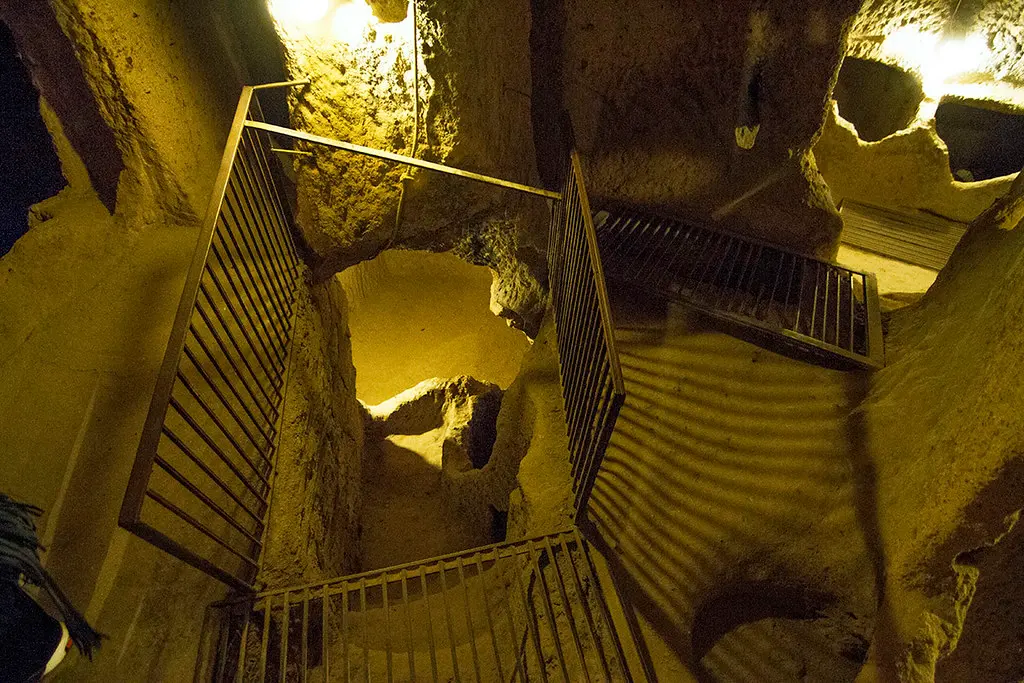
The deep one: 85 meters of stables, wineries, schools and millstone doors, engineered against sieges a thousand years before ventilation had a textbook.
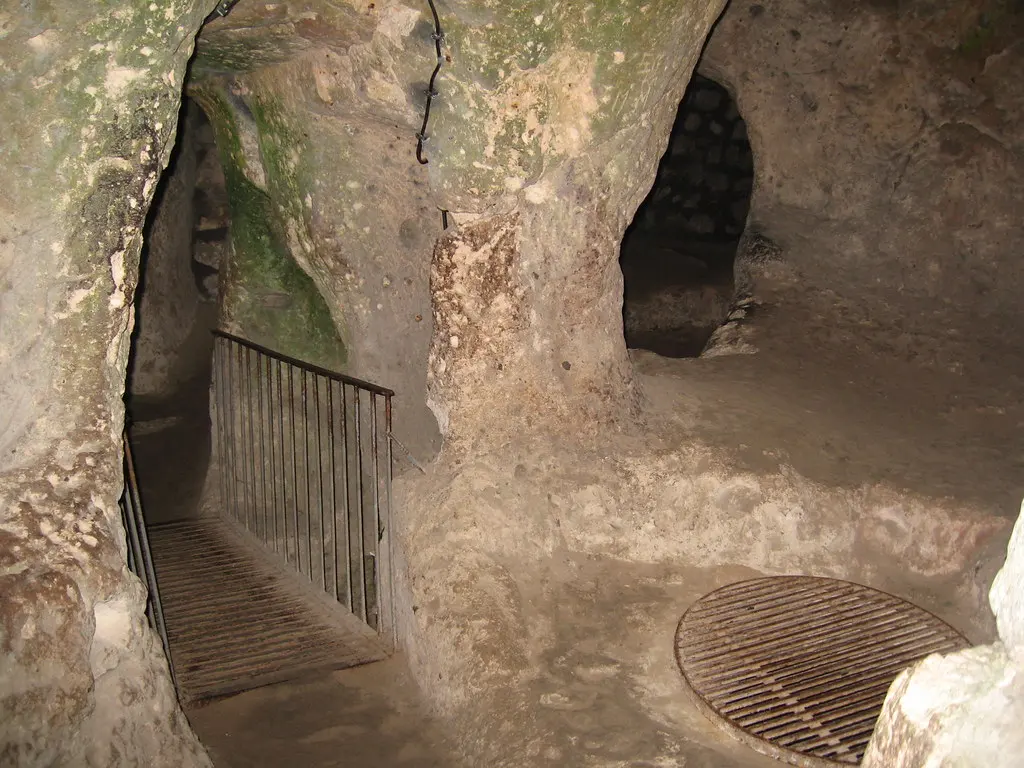
The friendlier underground city: four open levels, broader tunnels, and the best wine-and-storage architecture in the region.
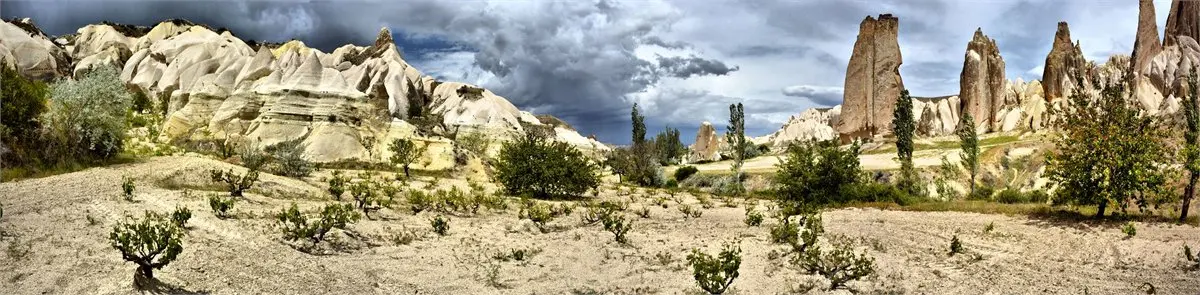
Cappadocia’s gentlest surprise: a green river gorge with Byzantine chapels in its cliffs and a teahouse in the middle.
The biggest rock-cut complex in Cappadocia: a cathedral inside a mountain, at the end of the Ihlara valley.
The valley of the dovecotes: Cappadocia’s old agricultural engine, its easiest good walk and its most photographed tree of evil eyes.
The villages of the region, honestly compared.
Cave hotels, rooftop balloon views, lokanta dinners and every trailhead: how to use Cappadocia’s basecamp town properly.
The Göreme Open Air Museum (with the Dark Church), one underground city, one great viewpoint (Uçhisar or Love Valley at golden hour) and the balloons at dawn — flown or watched. Everything else is wonderful; those four are the core.
Many can — the free valleys and viewpoints especially, and our guides say so honestly on each page. What a guide adds is context (the churches and underground cities barely speak for themselves) and timing (the difference between a line and an empty chapel).
Tell us who is traveling and what you love, and we will suggest the day that fits — then make it happen.